

From Console to Combat: Videogames as Propaganda in the Global War on Terror
Exploring warfare through the prism of gaming and the blurred boundaries between play and propaganda.

This piece has been adapted from one of my undergraduate essays, so it sounds more formal than my usual posts and includes academic references. Enjoy!
Virilio (1984) stated that ‘there is no war without representation’. This essay will examine how videogames like America's Army (2002) and the Call of Duty franchise (2003-2022), especially the 2019 Modern Warfare single-player campaign, serve as military propaganda for the global war on terror. Focusing on U.S. and British military depictions in both games, I will discuss arguments for and against their roles as military propaganda and analyse their political implications. Additionally, I will explore videogames as an art form, allowing for deeper interpretations of Tactical, military-based games like Modern Warfare (2019). This analysis highlights how the franchise acts as publicity for the global war on terror and the role of modern U.S. and British soldiers.
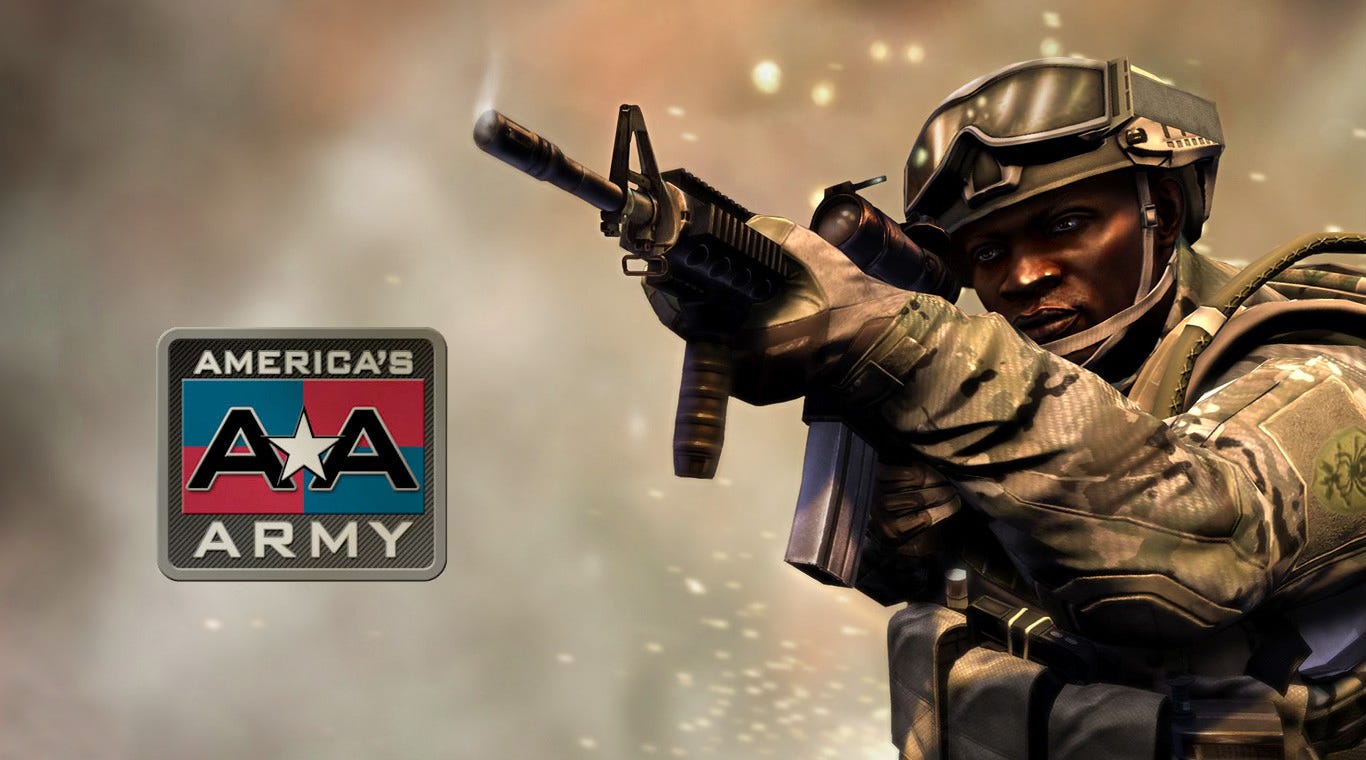
America’s Army is an example of ‘advergaming’ (Nichols, 2010, p.45) for the U.S. Army. Video games, though relatively new, stem from innovations in defence culture. These games encourage youth and older groups to enlist. In 2006, the U.S. Army raised the recruitment age limit Nichols, 2010), aligning with the video game industry’s demographic. America’s Army emphasises its origins; other military-based games, like Tom Clancy’s Rainbow Six: Rogue Spear (2001), benefited from collaboration with the U.S. Department of Defence for a virtual recruitment space, combining virtual warfare with military destruction (King & Leonard, 2010:99). This partnership began before the U.S. Army’s own recruitment space, which was developed a year later.
Infinity Ward, the developer of Call of Duty since 2003, claims its games are not political, despite criticism. Jacob Minkoff, campaign gameplay director for Call of Duty: Modern Warfare (2019), stated in a 2020 Game Informer interview that a story must highlight specific governments and events to be considered political. Tyler Kurosaki, narrative director, noted that their game explores concepts like colonialism and freedom (Kurosaki, 2020). Still, it includes a fictional Middle Eastern country bombing a European city, causing civilian casualties. Minkoff (2020) insists their focus is on ‘thematic things’ rather than modern geopolitics, asserting the game offers perspective through conflict, allowing players to experience different narratives. However, given the franchise’s title, which honours fallen soldiers, it seems dubious to argue it lacks a perspective. Modern Warfare’s campaign emphasises narrative, requiring players to work with non-playable character (NPC) allies to complete missions, enhancing the connection between players, NPCs, and their causes, thus improving immersion.
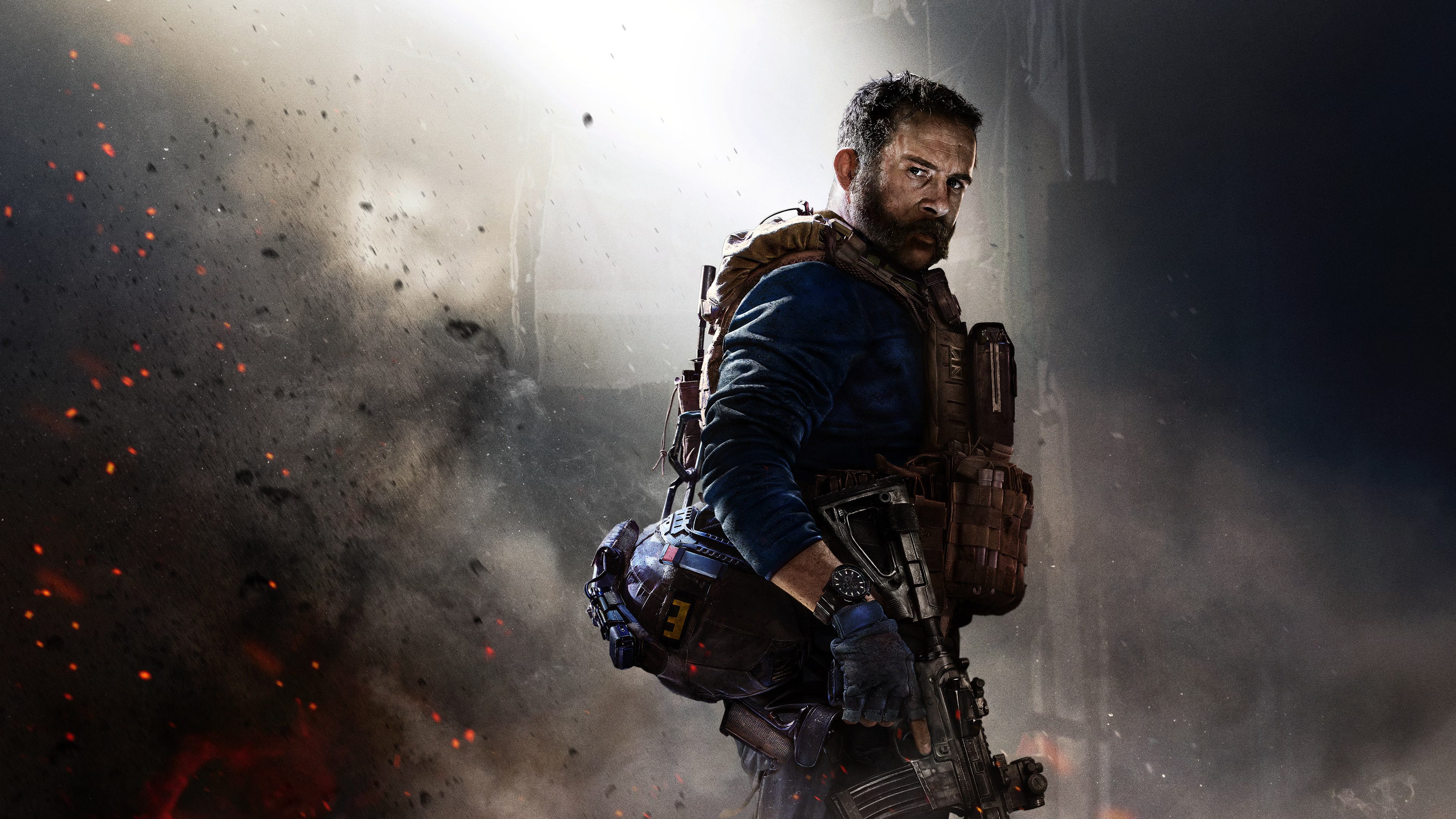
There has been a long debate among academics about whether video games should be studied as an art form; however, in 2011, the U.S. Supreme Court ruled they are protected as such (Derby, 2014, p. 19). Therefore, games like America’s Army and Call of Duty can be viewed as propaganda for the U.S. and British military. America’s Army and the game’s commercialisation highlight how it serves as a tool for state propaganda in a broader U.S. communication campaign (Nieborg, 2006). America’s Army serves as a ‘propagandist’ by promoting Army values to recruits and gamers worldwide for public relations purposes (Derby, 2014:21).
The first-person shooter genre serves as a recruitment tool for the U.S. Army, suggesting that other games, such as Call of Duty, also fulfil this purpose. The transition from spectator to participant in these games has ‘far-reaching implications for how citizens imagine the role of the military in contemporary society’ (Huntemann & Payne, 2010). Focusing on Call of Duty: Modern Warfare (2019), this shift is more emotionally impactful and interactive than in America’s Army. In Modern Warfare, players connect with characters over a six to seven-hour journey, enhancing immersion in the fictional combat scenarios they encounter through alliances with NPCS.
Modern wargames retell past and present conflicts, and living in a post-9/11 world, they serve as recruitment tools for the military. In games like America’s Army and Call of Duty, the essence of interactive technology is significant, as participants not only observe conflict but also engage directly in America’s global war on terror (King & Leonard, 2010:95). The Call of Duty franchise remains relevant. The campaigns in Modern Warfare depict fictitious conflicts in real and fake countries; certain missions resemble actual military operations.
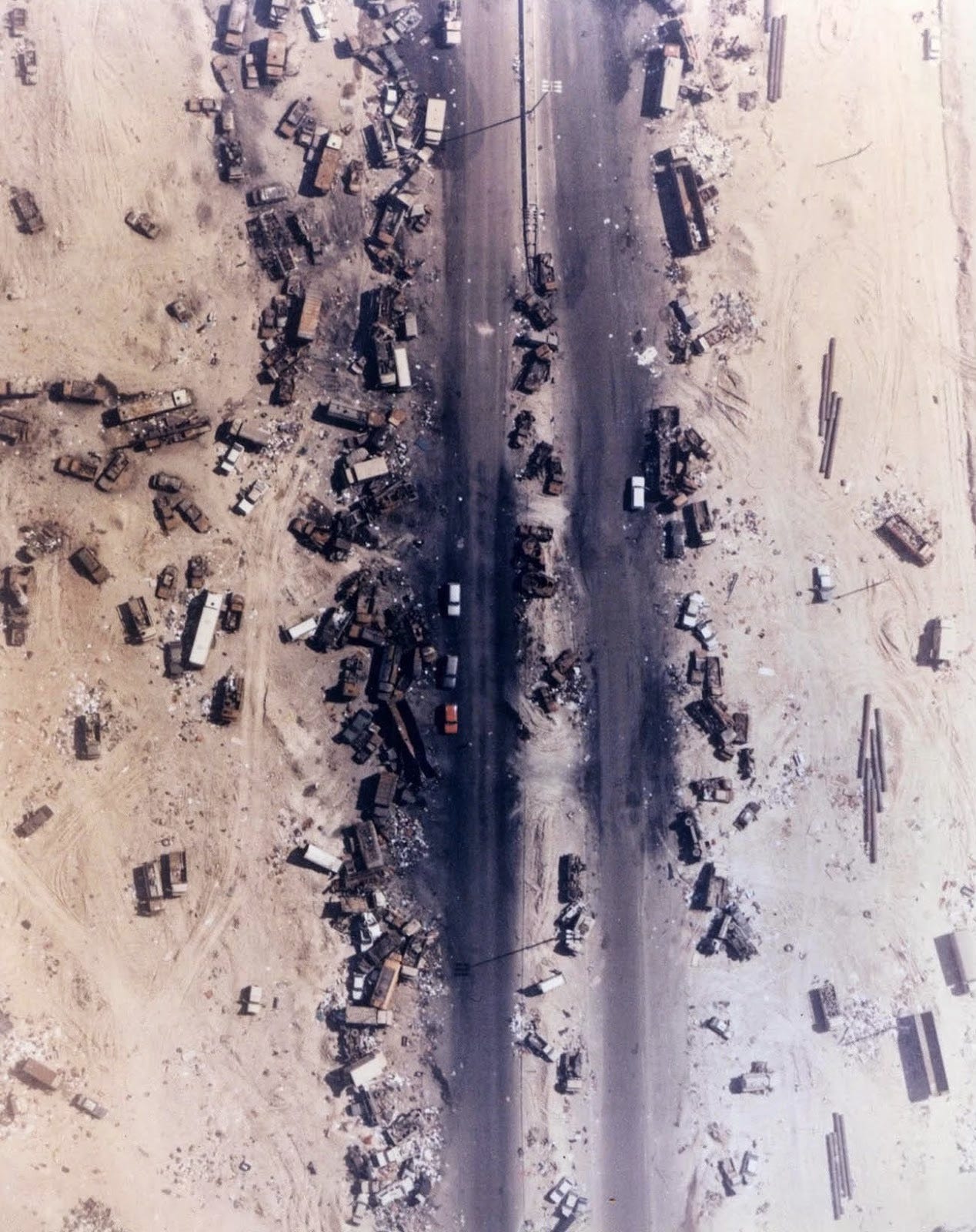
Squad-based games are an expanding genre in gaming, focusing on both historical and current conflicts. Numerous military combat games either reenact historical events or envision future scenarios. (Allen, 2011:42). For instance, in 2019’s Modern Warfare, a mission called ‘Highway of Death’ features Alex (Chad Michael Collins), a CIA operative who collaborates with freedom fighters in the fictional country of Urzikstan. The objective is to ambush Russian General Roman Barkov (Konstantin Lavysh) on the ‘Highway of Death,’ named after a real road near Kuwait City, where U.S. forces bombed retreating Iraqi troops and civilians in 1991, leading to global outrage over graphic images of casualties (Mansbridge, 2003). Modern Warfare’s developers are unintentionally introducing the war (or aspects of it) into American households (King & Leonard, 2010:94). The game’s evocation of the ‘Highway of Death’ raises questions about the developers' claims of focusing only on ‘perspective’ in a fictional war, hinting at the ignorance and privilege underlying their assertions that such missions are merely thematic. This portrayal allows Western creators to shift blame for real war crimes from U.S. forces to a fictional Russian operation, which is both advantageous and controversial.
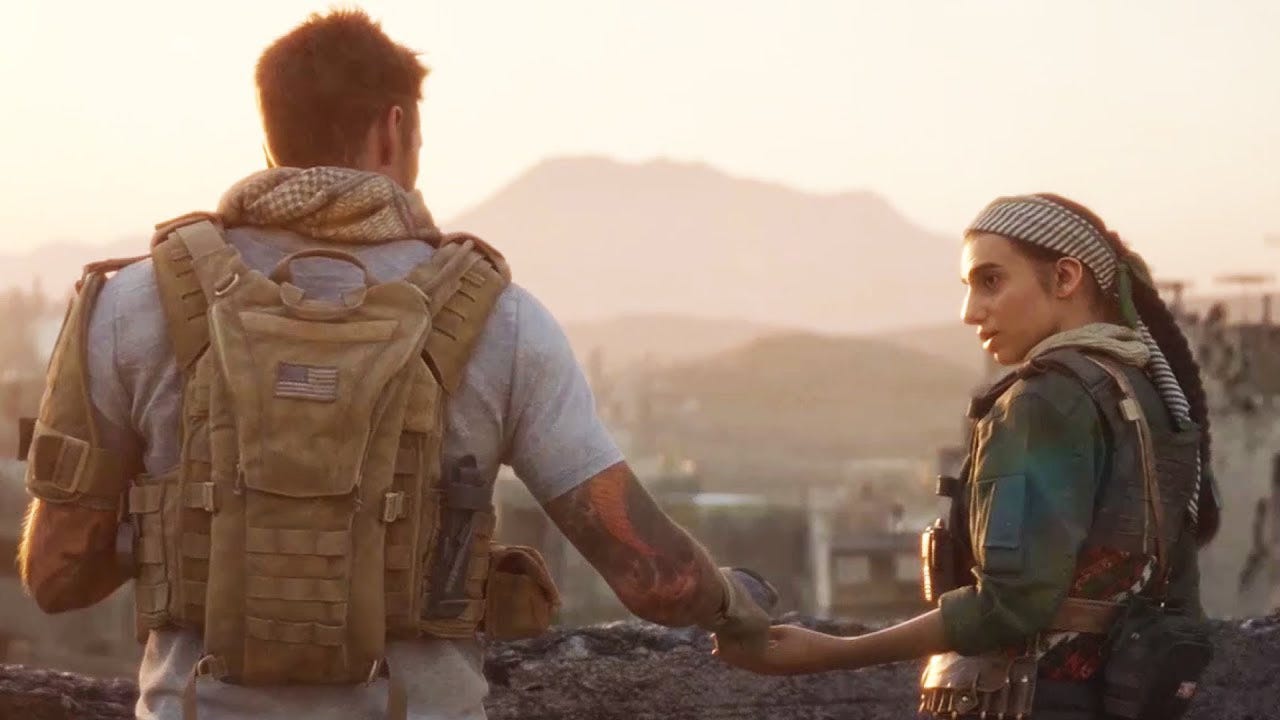
To conclude, the idea that ‘there is no war without representation’ (Virilio, 1984) applies to modern warfare and its depiction in videogames, including potential U.S. Department of Defence propaganda like America’s Army (2002-2015) and Tom Clancy’s Rainbow Six series (1998-2022). The global War on Terror is also represented in Call of Duty titles, such as Modern Warfare. While the game’s directors dispute any political stance, Modern Warfare reflects contemporary geopolitics through its perspectives.
Studies referenced:
Allen, Robertson. 2011. The Unreal Enemy of America’s Army in Games and Culture. pp. 38-60. SAGE
America’s Army. 2002. Xbox. United States Army
Call of Duty: Modern Warfare. 2019. PlayStation. Activision
Hunteman, Nina B. Thomas Payne, Mathew. 2010. Joystick Soldiers: The Politics of Play in Military Video Games. Routledge. New York.
Mansbridge, P. 2003. ‘The Highway of Death’ in Maclean’s, Volume 116, Issue 5.
Tom Clancy’s Rainbow Six: Rogue Spear. 2001. PlayStation. Red Storm Entertainment.
If you’ve made it this far, thank you for reading and supporting independent writing!